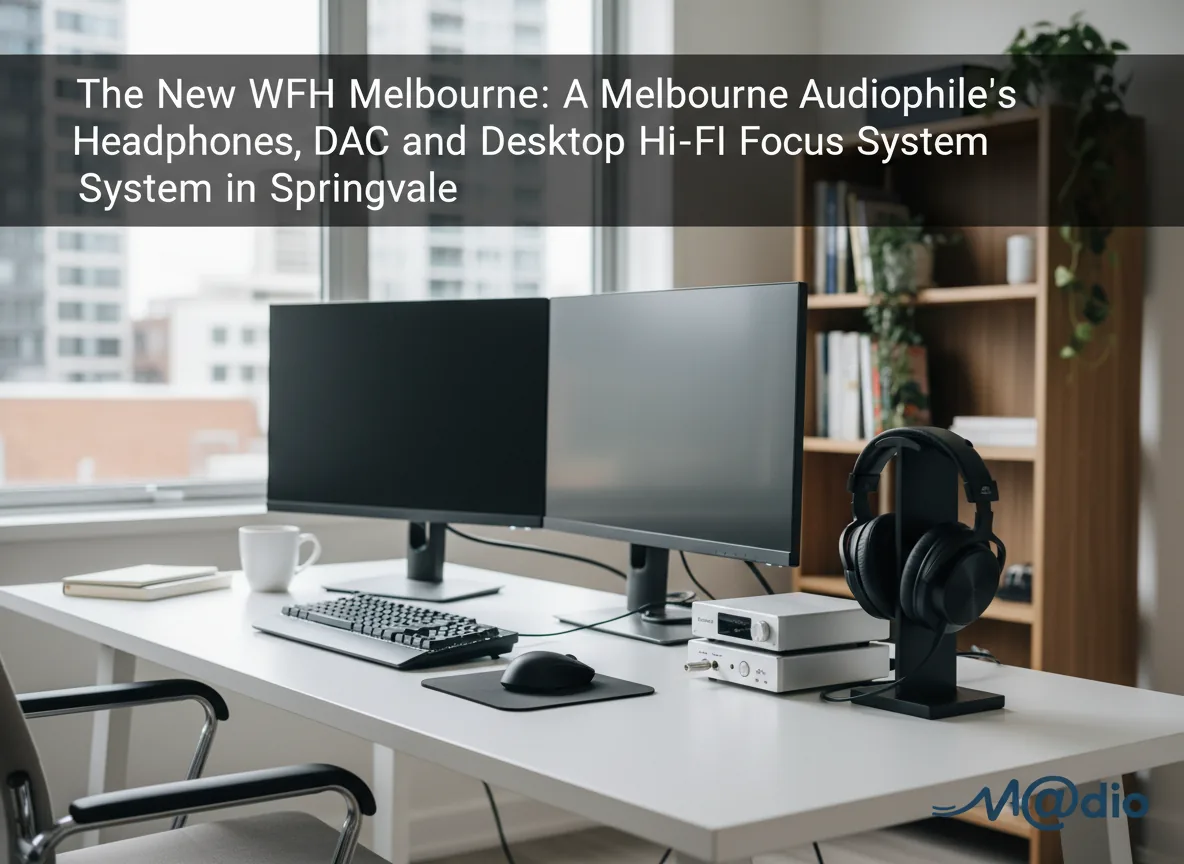
The New WFH Melbourne: A Melbourne Audiophile’s Headphones, DAC and Desktop Hi‑Fi Focus System
In 2026, flexible and hybrid work is no longer a perk for many Australians—it is a baseline expectation, and with it comes a new reality: your ability to focus often depends on the quality of sound at your desk.
HYBRID WORK • MELBOURNE DESKTOP AUDIO
Why Noise Management Is the New Productivity Tool
As hybrid work patterns stabilise across Australia, more professionals are splitting their week between the office and home, planning their days around energy and wellbeing rather than strict nine‑to‑five schedules.
At the same time, survey after survey ranks noise and distraction—whether from open‑plan offices, neighbours or housemates—as one of the most consistent threats to focus and mental bandwidth.
That is why many Melbourne knowledge workers are now treating desktop audio as seriously as their monitor or chair, moving beyond generic Bluetooth earbuds toward purpose‑built headphones, DACs and compact amplifiers that are tuned for long, focused sessions.
From Generic Earbuds to a True Focus‑First Desktop System
Headphones vs. Earbuds: Why the Upgrade Matters
Consumer Bluetooth earbuds are convenient, but they are rarely optimised for all‑day comfort, stable isolation and non‑fatiguing sound at work volumes.
Full‑size headphones—whether closed‑back for isolation or open‑back for a more spacious presentation—can offer better driver control, clearer midrange for calls and less intrusive treble, all of which protect your focus over long stretches.
Pairing those headphones with a dedicated DAC and compact desktop amplifier helps you lower the volume while raising clarity, which is exactly what you want for deep work.
DACs and Compact Amps: Cleaning the Signal Path
Laptop and docking‑station outputs are designed for “it works” rather than “it works beautifully,” often adding noise and grain that subtly wear on you through the day.
A clean, resolving DAC feeding a well‑matched headphone amplifier reduces background hiss and harshness, so you can keep speech, ambient playlists and video calls sounding natural at sensible levels.
For many WFH Melbourne professionals, this shift alone makes the difference between ending the day drained or feeling quietly productive.
Headphone Impedance, Gain and All‑Day Comfort
Building a focus‑first desktop system is not just about buying a “bigger” amp; it is about ensuring your headphones and amplifier work together in a way that feels controlled, predictable and easy on the ears.
Electrical matching, gain settings and physical comfort all shape whether your new rig becomes a daily productivity ally or an expensive distraction.
Headphone Impedance Matching Calculator
Use this quick calculator to understand how comfortably your amplifier is likely to control your headphones before you commit to a new WFH chain.
Many audiophiles aim for a headphone impedance at least 8× the amp’s output impedance to keep tonal shifts modest; this is not a hard rule, but a useful starting point for focus‑oriented rigs.
Gain Settings and All‑Day Wear
Even with good impedance matching, incorrect gain settings can leave you riding the first few millimetres of the volume knob and fighting channel imbalance during quiet work sessions.
Choosing an amplifier with appropriate gain options for your headphones lets you keep the volume control in a comfortable, precise range while preserving dynamic headroom for calls and occasional music breaks.
Combine that with light clamp force, breathable pads and the right tonality and you get a system that you barely notice—until you take it off and hear how noisy the room really is.
Why Community Research Beats Blind Buys
Comfort and tonality are intensely personal; what one reviewer calls “smooth and relaxed” might feel dull and sleepy to you after three hours of spreadsheets.
By exploring dedicated audio forums and online communities, you can research different combinations of headphones, DACs and compact desktop amplifiers suited for your actual work apps, playlists and call scenarios.
Reading user experiences will quickly help you notice which chains soften background noise without smearing speech, which tunings keep you alert without becoming piercing and which headbands and pads disappear on your head versus those that create hot spots.
Taking an hour to gather community feedback now is often the safest way to avoid months of frustration and costly blind upgrades later, especially when your WFH setup is central to how you perform and feel every week.
Community Reviews
WFH Desktop Audio
Headphones • DAC • Amp
WFH Desktop Audio & Focus FAQs
Why is WFH audio such a big deal in 2026?
As hybrid and flexible work arrangements become embedded in Australia’s employment landscape, more people spend a significant portion of their week working from home, making noise management and audio quality critical to concentration and wellbeing.
Do I really need a DAC and amp for working from home?
You can get by without them, but a dedicated DAC and compact amplifier usually deliver cleaner, less fatiguing sound and better control over quality headphones than built‑in laptop outputs, which can make long workdays feel smoother and more consistent.
How can I research different WFH‑oriented systems without visiting a physical showroom?
By engaging with online audio communities and reviewing setup galleries, you can gather insights from other WFH professionals. This helps you identify combinations of headphones, DACs, and amps that best support focus and comfort at typical desk volumes, allowing you to pick the chain that best supports your workflow.