
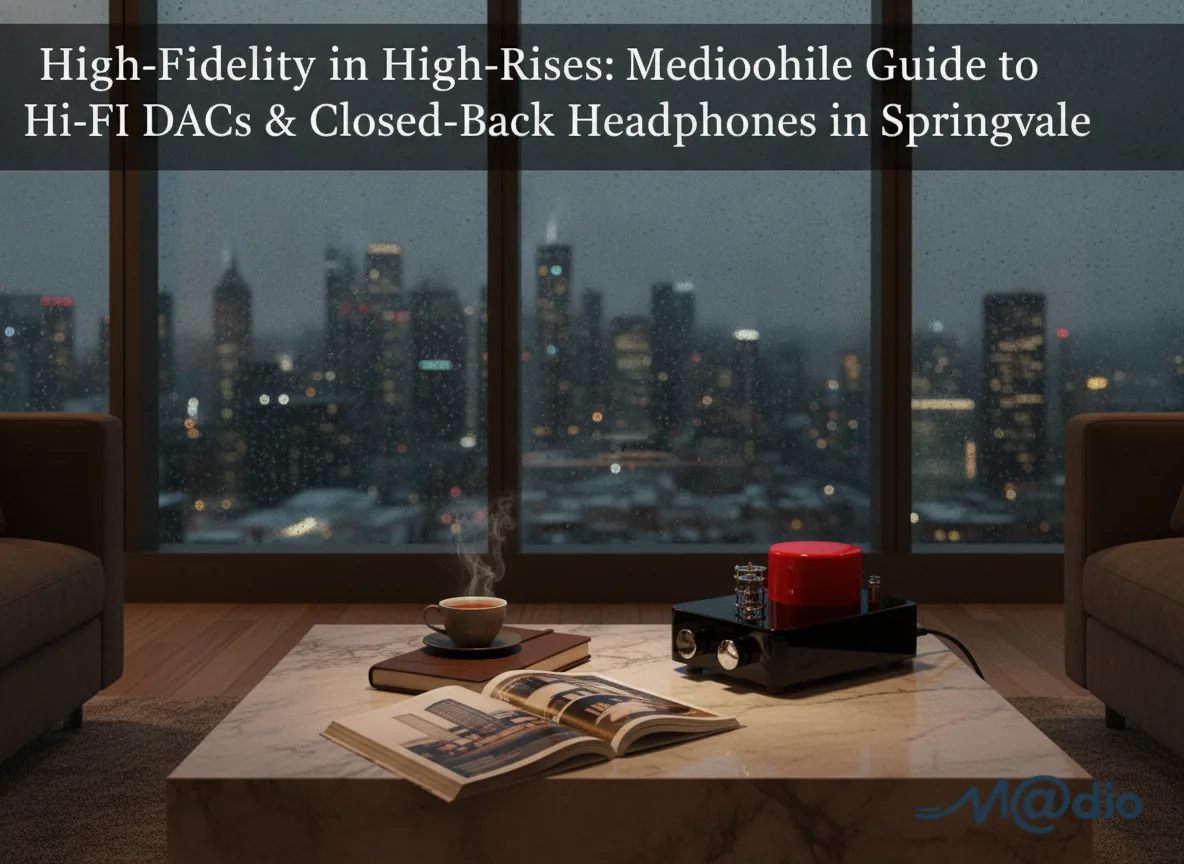
As freezing June temperatures force Melburnians indoors, the acoustic realities of high-density CBD living become impossible to ignore. Closed windows and shared apartment walls dramatically heighten noise sensitivity among neighbors, rendering traditional floor-standing speaker setups a source of constant anxiety. For the discerning urban audiophile, true sanctuary is found in a strategic pivot toward flagship closed-back headphones and premium Digital Audio Players (DAPs)—creating a private, three-dimensional soundstage without disturbing a single soul.
The Acoustic Nightmare of Modern Apartments
Modern Melbourne high-rises are architectural triumphs, frequently dominated by floor-to-ceiling glass, polished concrete ceilings, and sprawling hardwood floors. However, these highly reflective surfaces are highly detrimental to open-air acoustics. Traditional speakers interact with these materials to create erratic standing waves, resulting in smeared midrange frequencies and a muddy, booming bass that effortlessly penetrates adjoining walls. A dedicated high-end closed-back headphone completely bypasses the room’s chaotic acoustics, delivering master-tape clarity directly to your ears.
The Physics of Acoustic Sealing
While closed-back headphones are the ultimate neighbor-friendly solution, their performance is incredibly temperamental. Unlike their open-back counterparts, closed-back designs rely entirely on the strict physics of an airtight acoustic seal. To reproduce accurate, visceral sub-bass, the headphone must perfectly pressurize the air between the driver and your eardrum. This seal is dictated by a delicate trifecta: the headphone’s clamping force, the density of its ear pad materials (such as premium lambskin or memory foam), and the unique structural contours of your cranial anatomy.
Why YouTube Reviews Fail to Predict Your Fit
Because physical anatomy drives acoustic delivery, trusting a YouTube review to predict a headphone’s performance is an inherent gamble. A reviewer with a different jawline structure might praise a specific model for its “thunderous, enveloping bass.” Yet, if you have a narrower face, a strong jawbone, or simply wear thick-framed reading glasses, that exact same headphone will fail to seal properly. The result? A sound signature that is thin, hollow, and entirely devoid of low-end impact. Furthermore, you must account for the electrical synergy between your headphones and your chosen DAC or amplifier.
Headphone Impedance Matching Calculator
True high-fidelity audio cannot exist in a vacuum of specifications. Validating the physical comfort, the perfection of the acoustic seal, and the electrical synergy through engaging with dedicated online audio communities to cross-reference experiences is the absolute only way to guarantee your high-rise sanctuary performs flawlessly.
Frequently Asked Questions
Why do floor-standing speakers sound poor in glass apartments?
Glass and polished concrete are highly reflective surfaces. They cause sound waves to bounce erratically around the room rather than absorbing them, which leads to acoustic cancellations, harsh treble echoes, and a generally smeared, confusing soundstage.
How do my glasses affect closed-back headphones?
The arms of your glasses can lift the ear pads slightly away from your skin, breaking the airtight seal necessary for closed-back headphones to operate. This broken seal allows pressurized air to escape, resulting in a severe, immediate loss of bass response.
What is a Digital Audio Player (DAP)?
A Digital Audio Player (DAP) is a dedicated, high-resolution portable device engineered specifically for audiophile music playback. Housing premium DAC chips and robust amplifiers, it delivers desktop-tier sound quality while allowing you to move freely around your apartment.